🔧 Impulse Lines 101: Spot Problems Early and Save Critical Time in Industrial Process Control
This scenario plays out in industrial facilities worldwide more frequently than anyone wants to admit. Impulse lines—those seemingly insignificant narrow tubes connecting sensors to process measurement points—serve as the nervous system of industrial control. When they fail, they don’t just cause inconvenience; they create cascading failures that compromise safety, production, and profitability.
In this comprehensive guide, you’ll discover how to identify, diagnose, and prevent impulse line failures before they escalate into costly shutdowns. Whether you’re a process engineer, maintenance technician, or plant manager, mastering these fundamentals will transform how you approach instrument reliability.

⚙️ Decoding the Fundamentals of Impulse Lines
What Exactly Is an Impulse Line?
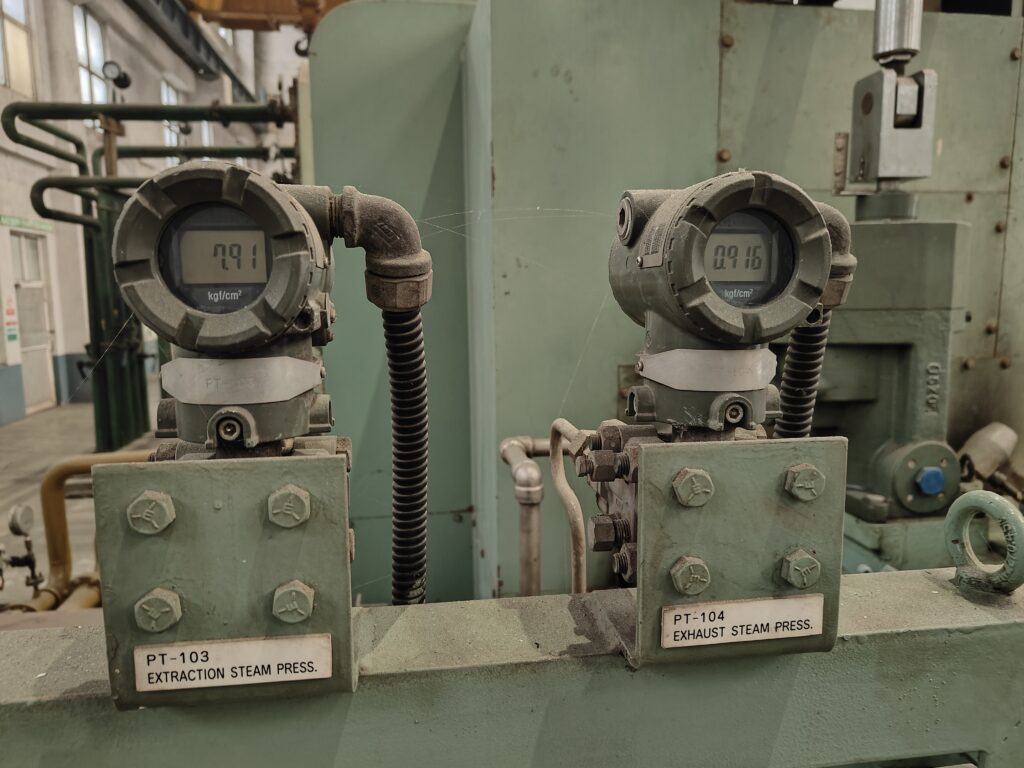
An impulse line (also called an instrument line or sensing line) is a small-bore conduit that transmits process fluid pressure or flow signals from a tap-off point on main process equipment to measurement or control instrumentation. Think of it as a dedicated messenger carrying critical information from the field to your control system.
📐 Standard Impulse Line Specifications:
- Diameter Range: 1/4″ (6.35mm) to 1/2″ (12.7mm) nominal bore – with 3/8″ (9.525mm) being industry standard
- Materials: 316/316L stainless steel (most common), copper alloy, carbon steel, exotic alloys (Monel, Hastelloy) for corrosive services
- Wall Thickness: Typically Schedule 80 or Schedule 160 for high-pressure applications
- Length: Optimally 3-10 feet; longer runs introduce lag time and require special considerations
- Connection Types: NPT threaded, compression fittings (Swagelok, Parker), flanged connections for high-pressure/temperature
- Pressure Rating: Commonly 3000-6000 PSI working pressure, depending on wall thickness and material
Installation proximity matters enormously. Impulse lines should originate as close as practical to the measurement point—ideally within 3-5 feet. Every additional foot introduces thermal lag, pressure drop, and potential for phase change in the transmitted fluid.

Primary Functions and Critical Importance
Impulse lines serve as the information highway between your process and control system. They enable:
🎯 Core Functions:
- Pressure Measurement: Transmitting static, differential, or gauge pressure to transmitters and controllers
- Flow Measurement: Conveying differential pressure across orifice plates, venturi meters, or flow nozzles
- Level Measurement: Enabling hydrostatic pressure measurement for tank and vessel levels
- Safety Integration: Feeding critical data to emergency shutdown (ESD) and pressure relief systems
- Process Control: Supporting PID controllers, cascade loops, and advanced process control (APC) strategies
In Safety Instrumented Functions (SIF), impulse lines become life-critical components. A single blocked impulse line on a high-pressure trip can prevent a safety shutdown, potentially leading to catastrophic failure. This is why IEC 61511 (Functional Safety) classifies instrument tubing in SIL-rated loops as safety-critical components requiring enhanced inspection protocols.
Understanding Common Failure Modes
Impulse lines fail through several distinct mechanisms, each with unique signatures:
| Failure Mode | Causes | Symptom | Risk Level |
|---|---|---|---|
| Blockage/Plugging | Scale formation, polymer buildup, ice formation, debris accumulation | Frozen readings, slow response, zero signal | HIGH |
| External Leakage | Vibration fatigue, corrosion, over-torqued fittings, thermal cycling | Visible fluid, pressure drop, erratic readings | CRITICAL |
| Internal Corrosion | Acidic fluids, chloride stress cracking, erosion-corrosion | Wall thinning, pinhole leaks, contamination | HIGH |
| Condensate Trapping | Improper slope, low-point pockets, inadequate draining | Sluggish response, pressure differential errors | MEDIUM |
| Air/Gas Accumulation | Vacuum conditions, improper purging, gas breakout | Erratic readings, damped response, signal noise | MEDIUM |
| Mechanical Damage | Impact from tools, vehicle contact, dropped equipment | Kinks, dents, immediate failure | HIGH |

👁️ Visual Inspection: Your First Line of Defense
Before reaching for diagnostic tools, your eyes are your most valuable asset. Systematic visual inspection catches 60-70% of impulse line problems before they cause process upsets.
Identifying External Warning Signs
During walkdowns, train your eyes to spot these red flags:
Visual Inspection Checklist:
- Surface Corrosion: Look for rust bloom, white oxide deposits (aluminum), or green patina (copper). Surface corrosion progresses to wall thinning at rates of 5-20 mils/year depending on environment.
- Mechanical Deformation: Check for dents, kinks (bends exceeding 5° deviation), or flattened sections that restrict flow area by more than 10%.
- Support Integrity: Verify clamp spacing meets ASME B31.3 Table 321.7.4 (typically 4-6 feet for 3/8″ lines). Loose supports allow vibration amplification.
- Fitting Condition: Examine threaded connections for galling, backed-off nuts (visible thread exposure), or cracked ferrules in compression fittings.
- Insulation Gaps: Heat-traced lines require continuous insulation. Gaps create hot/cold spots causing thermal stress cycling.
- Physical Interference: Document contact with structural steel, other piping, or cable trays—all sources of vibration transmission.
- Discoloration: Heat tinting (blue/gold oxidation) indicates temperatures exceeding material limits (>450°F for 316SS).
Recognizing Subtle Fluid Leak Indicators
Not all leaks announce themselves dramatically. Master these detection techniques:
🔍 Advanced Leak Detection Methods:
- Stain Pattern Analysis: Oily fluids create dark radial patterns; water leaves mineral deposits; acids etch metal surfaces creating matte finish
- Acoustic Detection: High-frequency leaks (>20 kHz) detectable with ultrasonic leak detectors even through insulation
- UV Fluorescent Tracers: Add to process fluids, inspect with blacklight during night shifts. Detects seepage at <1 drop/hour rates
- Thermal Imaging: FLIR cameras show 3-5°F temperature differentials at leak points in insulated systems. Critical for steam service
- Soap Bubble Testing: Old-school but effective—still the gold standard for pinpointing exact leak location on suspect fittings
- Snoop® Liquid Testing: Commercial leak detection fluid specifically formulated for instrument air and gas services
Analyzing Gauge and Transmitter Behavior Patterns
Your instrumentation talks to you—if you know the language:
| Observed Behavior | Probable Root Cause | Diagnostic Test |
|---|---|---|
| Erratic, spiking readings (±10-20% swings) | Air bubbles in liquid-filled line, loose connection, inadequate damping | Install snubber, bleed air, tighten fittings sequentially |
| Slow, continuous drift (0.5-2% per hour) | Partial blockage developing, instrument zero drift, ambient temperature effect | Compare to redundant sensor, perform loop check, blow-through test |
| Frozen at constant value (no response to process changes) | Complete blockage, closed isolation valve, failed transmitter | Verify valve positions, attempt blow-through, check transmitter power |
| Reading pegged at maximum scale | Overpressure event damaged sensor, electrical fault, reverse polarity | Check electrical connections, verify loop calibration, inspect diaphragm |
| Noisy signal (high-frequency oscillation) | Cavitation in process, pump pulsation, inadequate damping, EMI interference | Install pulsation dampener, check grounding, add electronic filtering |
| Step change followed by slow recovery | Condensate slug in gas line, phase change, thermal lag | Improve slope/drainage, add heat tracing, install separator pot |

🔬 Advanced Diagnostics for Internal Integrity
Pressure Testing and Leak Detection Protocols
Periodic pressure testing validates impulse line integrity non-invasively:
🛠️ Standard Pressure Test Procedure (Per ASME B31.3):
- Step 1 – Isolation: Close block valves, verify double-block isolation, attach lockout/tagout, bleed residual pressure via bleed valve
- Step 2 – Test Medium Selection:
- Pneumatic test: Clean, dry air or nitrogen to 110% of design pressure (faster, but leak detection harder)
- Hydrostatic test: Water with corrosion inhibitor to 150% of design pressure (preferred for leak detection)
- Step 3 – Pressurization: Increase pressure gradually at ≤10 PSI/second to avoid water hammer. Hold at test pressure for minimum 10 minutes
- Step 4 – Acceptance Criteria:
- Pneumatic: Pressure drop <2% over 30 minutes (temperature-corrected)
- Hydrostatic: Zero visible pressure drop, no leakage at joints
- Step 5 – Documentation: Record test pressure, duration, temperature, final pressure, inspector initials, date
The Critical Role of Impulse Line Damping and Snubbers
Pressure pulsations are the silent killers of instrumentation. Without proper damping, your sensors face relentless punishment:
⚙️ Snubber Technology and Selection:
- Porous Metal Snubbers: Sintered stainless steel discs with 10-40 micron pore size. Flow restriction creates damping effect. Typical pressure drop: 0.5-2 PSI at normal flow rates
- Orifice-Type Restrictors: Precision-drilled holes (0.020″-0.040″ diameter) for gas services. Simpler but more prone to plugging
- Adjustable Needle Valve Snubbers: Allow field tuning of damping coefficient. Optimal for applications with varying process dynamics
- Pulsation Dampeners: Small volume chambers (50-500cc) that absorb pressure waves through gas compression. Used on reciprocating pump discharges
Sizing snubbers correctly requires balancing response time against protection:
📐 Snubber Selection Criteria:
- Fast Processes (response time <5 seconds): Light damping – 20 micron porous snubber, T₉₀ response time 1-2 seconds
- Moderate Processes (5-60 seconds): Medium damping – 10 micron porous snubber, T₉₀ response time 3-5 seconds
- Slow Processes (>60 seconds): Heavy damping – Dual snubbers or small orifice, T₉₀ response time 10-15 seconds
- Pulsating Services (pumps, compressors): Combination dampener + snubber system
Non-Destructive Testing (NDT) Applications
When visual inspection and performance testing raise concerns, NDT provides definitive answers without taking systems offline:
🔍 NDT Methods for Impulse Lines:
1. Ultrasonic Thickness Testing (UTT)
- Principle: High-frequency sound waves (2-10 MHz) reflect from back wall; time-of-flight calculates remaining wall thickness
- Application: Detect internal corrosion, erosion, pitting. Accuracy: ±0.001″ with calibrated equipment
- Procedure: Clean surface, apply couplant gel, take 5-point readings per location (min/max/average). Flag any reading <80% nominal thickness
- Limitations: Requires surface access, affected by surface roughness and temperature >150°F
- Cost: $200-400/day equipment rental, technician time $75-150/hour
2. Liquid Penetrant Testing (PT)
- Principle: Colored or fluorescent dye seeps into surface-breaking cracks via capillary action
- Application: Surface crack detection in fittings, threaded connections, welds. Sensitivity to 0.0005″ wide cracks
- Procedure: Clean → Apply penetrant (10-30 min dwell) → Remove excess → Apply developer → Inspect under UV light (fluorescent) or white light (visible dye)
- Advantages: Inexpensive ($50 kit), fast, works on all non-porous materials
- Limitations: Surface-only, requires cleanliness, cannot use on porous materials
3. Magnetic Particle Testing (MT)
- Principle: Magnetic field applied to ferrous material; iron particles gather at flux leakage points (cracks/defects)
- Application: Carbon steel impulse lines, threaded connections, welds. Detects surface and near-surface cracks to 0.010″ depth
- Procedure: Magnetize component → Apply iron particle solution → Inspect under UV light (fluorescent particles)
- Limitations: Ferrous materials only, requires demagnetization afterward
4. Radiographic Testing (RT)
- Principle: X-rays or gamma rays penetrate material; internal defects show as density variations on film/digital detector
- Application: Internal blockages, wall thinning, internal corrosion in inaccessible lines
- Advantages: Creates permanent record, reveals internal geometry
- Limitations: Expensive ($500-1500/setup), requires radiation safety protocols, slow (30-60 min per shot), limited to critical applications
🛡️ Mitigation and Standardization: Preventing Future Failures
Best Practices in Impulse Line Installation
Proper installation eliminates 70-80% of potential failure modes. Follow these engineering principles:
📐 Installation Design Standards:
Slope Requirements (Critical for Reliability):
- Liquid Services: Slope upward from process tap to instrument at minimum 1:12 (1″ rise per 12″ run). Eliminates gas pockets that cause erratic readings
- Gas/Steam Services: Slope downward from process tap to instrument at minimum 1:12. Allows condensate drainage back to process
- Critical Rule: Never create high or low points that trap fluids or gas. Use 45° elbows instead of 90° where possible to minimize pressure drop
Torque Specifications:
- NPT Threaded Fittings:
- 1/4″ NPT: 10-15 ft-lbs with Teflon tape or pipe dope
- 3/8″ NPT: 15-20 ft-lbs
- 1/2″ NPT: 20-30 ft-lbs
- Use torque wrench—over-tightening causes galling and thread stripping
- Compression Fittings (Swagelok-type):
- Initial installation: 1-1/4 turns past finger-tight
- Re-make: 1/4 turn past finger-tight maximum
- Never disassemble/reassemble >3 times—replace ferrules
Support Spacing (Per ASME B31.3):
- 3/8″ tubing: Maximum 4 feet horizontal, 6 feet vertical
- 1/2″ tubing: Maximum 6 feet horizontal, 8 feet vertical
- Use vibration-dampening clamps near rotating equipment
- Clamps should allow thermal expansion (±1/4″ movement for 10′ run at 200°F delta-T)
🔧 Advanced Installation Techniques:
- Block and Bleed Manifolds: Install 3-valve or 5-valve manifolds for online sensor replacement. Reduces downtime from 4-6 hours to 15-30 minutes per calibration
- Root Valves: Install close-coupled isolation valves at process tap points. Allows impulse line maintenance without process shutdown
- Drip Legs/Seal Pots: For steam service, install condensate collection pots with drain valves every 10-15 feet of horizontal run
- Purge Connections: Install 1/4″ NPT purge tees at instrument end for periodic flushing with solvent or nitrogen. Critical for polymerizing services
- Winterization: In freeze-prone areas, install electric or steam heat tracing rated for 30% over-temperature margin. Insulate to prevent thermal cycling
Establishing a Robust Inspection Schedule
Reactive maintenance is 3-5 times more expensive than planned inspection. Implement tiered inspection based on risk:
| Risk Category | Inspection Frequency | Methods | Documentation |
|---|---|---|---|
| Critical (SIF, Emergency Shutdown, Toxic Service) | Monthly visual, Quarterly functional test, Annual NDT | Visual, pressure test, UT thickness, soap test, performance verification | Detailed log with photos, test records, certifications per IEC 61511 |
| High (Process Control Loops, High Pressure >600 PSI) | Quarterly visual, Semi-annual functional | Visual walkdown, signal analysis, spot pressure test on 10% sample | Checklist completion, trending charts, corrective actions |
| Medium (Standard Process Measurement) | Semi-annual visual, Annual functional | Visual inspection, basic leak check, gauge reading verification | Pass/fail checklist, deficiency report if issues found |
| Low (Non-Critical Indication) | Annual visual | Visual walkdown only | Simple log entry, photos of any concerns |
Standard Impulse Line Inspection Checklist:
- Visual Condition: Corrosion, dents, kinks, discoloration, mechanical damage
- Support System: Clamp tightness, spacing compliance, vibration evident, thermal movement allowance
- Fittings/Connections: Leaks visible, backed-off nuts, thread exposure, valve operation, manifold integrity
- Insulation/Tracing: Heat trace operational (verify with IR gun), insulation intact, moisture intrusion, temperature appropriate
- Instrument Response: Reading within ±2% of expected, response time
- Documentation: Tag number verified, P&ID matches field, material specification confirmed, last test date within interval
- Accessibility: Safe access maintained, obstructions removed, lighting adequate, lockout points identified
Material Selection for Process Compatibility
The right material choice prevents 95% of corrosion-related failures. Match materials to service conditions:
| Service Fluid | Recommended Material | Avoid | Notes |
|---|---|---|---|
| Water (pH 6-9) | 316SS, Copper | Carbon steel (rusts) | Chlorides >250 ppm require 316L for SCC resistance |
| Steam | Carbon steel, 316SS | Copper (oxidizes) | Carbon steel acceptable if no condensate acid formation |
| Acids (HCl, H₂SO₄) | Hastelloy C-276, PTFE-lined | All standard alloys | Concentration and temperature critical—consult ISO corrosion charts |
| Caustic (NaOH) | Nickel 200, Monel 400 | 316SS (SCC above 140°F) | Carbon steel acceptable for <20% NaOH at room temp |
| Chlorine Gas | Titanium, Hastelloy C | All stainless steels | Dry Cl₂ only; moisture causes catastrophic attack |
| Hydrocarbons | 316SS, Carbon steel | Copper (sulfur attack) | H₂S services require sour service materials per NACE MR0175 |
| Ammonia | Carbon steel, Admiralty brass | Copper, bronze (SCC) | Anhydrous NH₃ requires carbon steel; avoid all copper alloys |
🧪 Material Compatibility Testing Protocol:
- Step 1: Obtain process fluid samples or representative chemicals
- Step 2: Immerse material coupons (2″ x 0.5″ x wall thickness) in test fluid
- Step 3: Maintain at maximum operating temperature for 30-90 days
- Step 4: Measure weight loss, visual pitting, thickness reduction
- Acceptance: <2 mils/year corrosion rate for general service, <0.5 mils/year for critical service
- Documentation: Certificate of compatibility required for safety-critical applications per API 579
🎯 Your Action Plan: Implementing Excellence Today
Start your impulse line reliability program in 3 steps:
✅ Week 1: Download and customize the inspection checklist for your facility. Conduct baseline visual inspection on all critical loops (SIF, emergency shutdown). Tag and prioritize any immediate concerns.
✅ Week 2-4: Implement tiered inspection schedule based on risk categories. Train technicians on proper visual inspection techniques. Procure basic testing equipment (torque wrench, soap solution, ultrasonic leak detector).
✅ Month 2-3: Establish CMMS tracking for all impulse lines. Begin trending transmitter signal statistics. Schedule NDT for high-risk lines identified during visual inspections.
🏁 Conclusion: Maintaining Vigilance Over Your Process Lifelines
Impulse lines represent the critical interface between your process and control system. While individually small and seemingly insignificant, collectively they form the nervous system that keeps your operation safe, efficient, and profitable.
• 60-75% reduction in instrumentation-related process upsets
• 40-50% decrease in unplanned maintenance costs
• 85-90% improvement in control loop performance metrics
• 300-400% extension of transmitter service life
(Source: ISA-TR84.00.03 Mechanical Integrity of Safety Instrumented Systems)
The techniques covered in this guide—from systematic visual inspection to advanced NDT methods—provide a comprehensive framework for maintaining impulse line integrity. The key is consistency over intensity. Regular, methodical inspections catch 95% of issues before they cause failures.
Don’t wait for alarms to drive your maintenance strategy. Impulse lines don’t fail catastrophically overnight—they degrade gradually, giving you ample warning if you’re watching. Build inspection into your daily process rounds. Make it as routine as checking pump seals or bearing temperatures.
“An ounce of prevention is worth a pound of cure.” — Benjamin Franklin
In process control, that ounce of prevention is a 5-minute impulse line inspection that prevents a $125,000 production loss.
🚀 Ready to Transform Your Reliability Program?
Take action today:
📋 Download your free Impulse Line Inspection Checklist and Risk Classification Matrix
🎓 Schedule training for your maintenance team on proper inspection techniques
📊 Start tracking your impulse line reliability metrics—what gets measured gets improved
🔧 Procure essential inspection tools: torque wrench, ultrasonic thickness gauge, leak detector
Your future self—and your plant manager—will thank you when you prevent the next major upset through proactive impulse line management.
About the Author: This comprehensive guide draws on industry best practices from ASME, API, ISA, and IEC standards, combined with decades of field experience in refining, petrochemical, and process industries. For questions or consultation on impulse line reliability programs, consult with qualified instrumentation engineers and follow your facility’s engineering standards.
Images used are for educational purposes. Specifications and procedures should be verified against current standards and manufacturer recommendations for your specific application.